

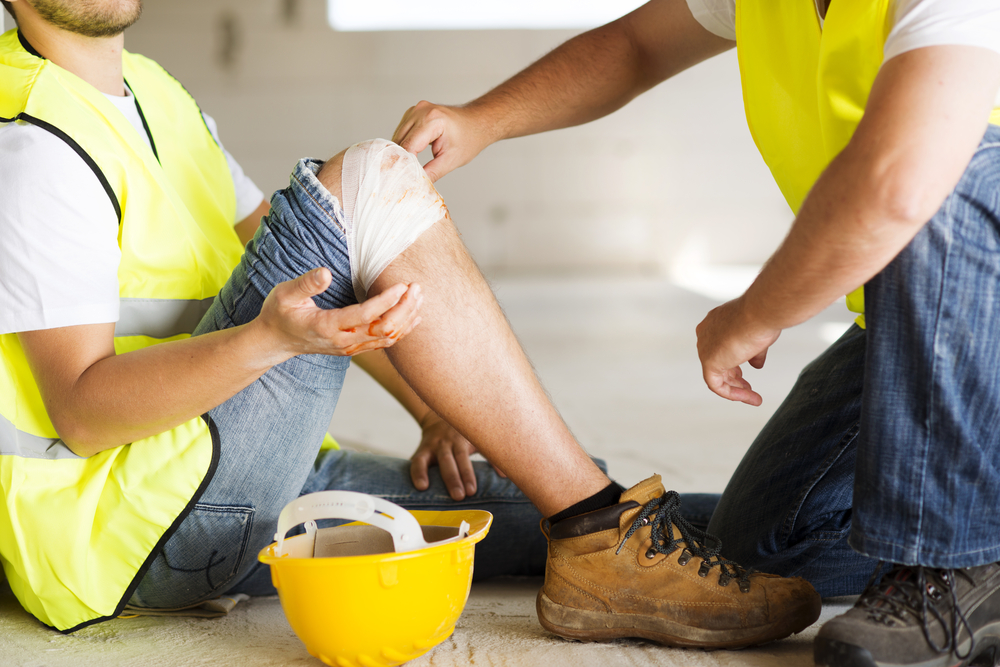
Accidents resulting in personal injuries can happen unexpectedly and have a profound impact on our lives. While some injuries are unavoidable, many can be prevented with awareness, caution, and proactive measures. Understanding the common types of personal injuries and how to prevent them can significantly reduce the risk of accidents. Here are some prevalent types of personal injuries and steps you can take to prevent them:
Slips, Trips, and Falls
According to AllLaw.com, slips, trips, and falls are among the leading causes of injuries, especially among older adults and children. They can occur anywhere – at home, at work, or in public places. Here are some helpful tips to keep your space safe:
- Keep walkways clear of clutter and obstacles.
- Use non-slip mats in bathrooms and kitchens.
- Install handrails on staircases.
- Promptly clean up spills.
- Use proper lighting in dimly lit areas.
Burn Injuries
Burn injuries can result from fire, hot liquids, chemicals, and even electrical appliances. Prevent burn injuries by:
- Keeping hot beverages away from the edges of tables and countertops.
- Using oven mitts when handling hot cookware.
- Installing smoke detectors and fire extinguishers at home.
- Educating children about the dangers of hot objects and fire.
Cuts and Lacerations
Cuts and lacerations often occur during everyday activities. Prevent them by:
- Using sharp utensils with caution and proper technique.
- Keeping knives and other sharp objects out of reach of children.
- Wearing appropriate protective gear when working with tools.
Sports Injuries
Participating in sports is a great way to stay active. Still, it can lead to injuries if proper precautions aren’t taken. Prevent sports injuries by:
- Wearing appropriate protective gear, such as helmets, pads, and mouthguards.
- Warming up before exercising or playing sports.
- Following the rules and guidelines of the sport.
- Listening to your body and not pushing yourself beyond your limits.
Workplace Injuries
Workplace injuries can range from slips and falls to repetitive strain injuries. To prevent them, contact Houston personal injury attorneys and follow these helpful tips:
- Adhere to workplace safety guidelines and protocols.
- Use ergonomic equipment and maintain proper posture.
- Take regular breaks to prevent overexertion and strain.
Head Injuries
Head injuries can result from falls, car accidents, and sports activities. To prevent head injuries:
- Wear helmets when cycling, skating, or participating in contact sports.
- Use seat belts in cars.
- Childproof your home to prevent falls for young children.
Drowning
Drowning is a significant concern, especially for young children. Prevent drowning by:
- Never leaving children unattended near water.
- Teaching children to swim from an early age.
- Installing pool fences and using life jackets when boating.
Electrical Injuries
Electrical injuries can occur due to faulty wiring, appliances, or equipment. Prevent electrical injuries by:
- Using appliances and cords that are in good condition.
- Refrain from overloading electrical outlets.
- Keeping young children away from electrical appliances.
Poisoning
Poisoning can occur from ingesting harmful substances, including chemicals and medications. Prevent poisoning by:
- Keeping household chemicals and medications out of reach of children.
- Using child-resistant caps on medications.
- Properly storing and labeling chemicals.
Car Accidents
Forbes.com explains that car accidents are a major cause of injuries and fatalities worldwide. To reduce the risk of car accidents:
- Obey traffic rules and speed limits.
- Avoid distractions while driving, such as texting or using a mobile phone.
- Wear seat belts at all times.
- Never drink and drive.
- Regularly maintain your vehicle to ensure proper functioning.
In conclusion, preventing personal injuries requires a combination of awareness, caution, and proactive measures. By staying vigilant and taking necessary precautions, you can significantly reduce the risk of accidents and injuries in various aspects of your life. Remember that safety is a collective effort, and by educating others and promoting safety practices, you contribute to a safer environment for everyone.