

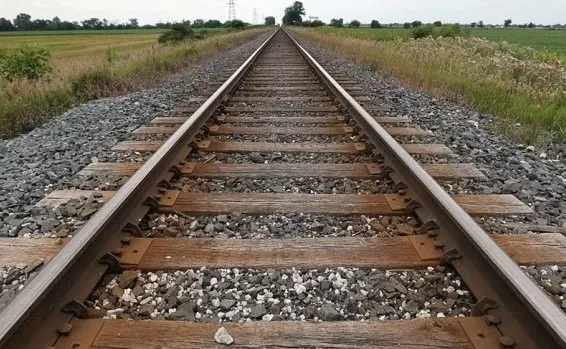
Railway sleepers. They sound like something you’d only find near train tracks. But today? They’re everywhere. In gardens, patios, and even furniture. People love them for their rugged look and strength.
But here’s the tricky part—picking the right one. There are so many types. So many uses. It’s easy to get lost.
So, we put together this no-nonsense guide. To help you cut through the confusion and find the perfect railway sleepers for your project. Ready? Let’s get into it.
What Are Railway Sleepers?
Originally, railway sleepers were the big wooden or concrete slabs that tracks sat on. They kept rails steady. Sturdy. Aligned.
These days? They’ve become a favorite building material. Not for trains—but for landscaping, design, and structure. They bring a rustic, natural charm. And they’re built to last.
Types of Railway Sleepers
There’s no one-size-fits-all here. The type you choose depends on what you want to do with it.
Timber Sleepers
The classic choice. Especially reclaimed hardwood.
They’ve got that old-world, vintage charm. And they’re solid. Perfect for retaining walls, garden beds, or steps.
But—they can be heavy. And some are treated with chemicals like creosote, which means they aren’t ideal for places kids or pets play around.
Concrete Sleepers
Strong. Stable. And not going anywhere.
Concrete sleepers are often used in structural projects. They last decades. And unlike timber, they don’t rot.
On the downside? They’re heavy. Really heavy. Not great for DIY unless you’ve got help.
Steel Sleepers
Used more in industrial settings. But popping up more in landscaping projects.
They’re tough. Weather-resistant. And fireproof. But yeah—they can look a bit… harsh. If you’re after a soft garden feel, steel might not be it.
Plastic & Composite Sleepers
These are made from recycled plastic or a mix of materials. They’re lightweight. Low-maintenance. And eco-friendly.
But they don’t have that aged, natural timber look. So it depends on your style.
New vs. Reclaimed Railway Sleepers
You’ve probably seen ads for reclaimed sleepers. They’re old, used, and full of character. Cracks, color shifts, and even bolt holes—all part of the charm. If you’re going for a rustic, weathered look, reclaimed sleepers are gold. But they can be inconsistent in size and condition.
New sleepers, on the other hand, are clean and uniform. Easier to work with. And you know exactly what you’re getting.
Think about where you’re using them. In a veggie garden? Go for new, untreated ones. For a rugged retaining wall? Reclaimed timber can look amazing.
Railway Sleeper Sizes and Grades
Sleepers come in different sizes. The most common? Around 2.4m long, 200mm wide, and 100mm thick.
But that can vary. Especially with reclaimed stock. Always double-check dimensions before buying.
Grades matter, too. Premium grade means minimal cracks and damage. Lower grades may have splits or wear. Great for rustic projects—but maybe not for load-bearing work.
Best Uses for Railway Sleepers
You can use railway sleepers for just about anything. Here are a few ideas:
- Garden edging
- Retaining walls
- Raised garden beds
- Steps or stairs
- Pathway borders
- Outdoor furniture
- Fence posts
- Decorative walls
Basically, if it needs to be strong—and look good—sleepers can do the job.
Key Factors to Consider Before Buying
Let’s break down what really matters when shopping for sleepers.
Intended Use
This is the first question to ask yourself. What are you using them for?
If it’s purely decorative—like garden borders—you’ve got flexibility. Want to build steps or a wall? You’ll need strength and size.
Durability and Lifespan
Hardwood timber and concrete sleepers win here. They can last 20+ years outdoors. Softwoods? Not so much. They’re cheaper—but they won’t survive years of rain and sun.
Check if the sleeper is treated for outdoor use, especially if you’re in a wet or hot climate. Or both.
Aesthetics and Finish
Do you want rustic charm? Go reclaimed. Prefer clean lines and a modern finish? New, uniform sleepers are your friend.
Plastic sleepers also offer consistency—but they look synthetic. Some folks love that clean finish. Others find it too artificial.
Maintenance Requirements
Some sleepers need love. Others just sit there looking pretty.
Reclaimed timber may need sealing, especially if it’s exposed to water or sun. Concrete and plastic? Set and forget. They’re virtually maintenance-free.
Budget and Availability
Sleepers can range from cheap to pricey. Softwood and plastic are budget-friendly. Hardwood and concrete cost more—but last longer.
Also—some types are hard to find locally. If you’re after a specific size or grade, call around before driving out to the supplier.
Common Mistakes to Avoid
There are a few traps folks fall into. Here’s what to watch for:
Choosing the Wrong Type
Don’t buy hardwood sleepers for veggie beds if they’re soaked in creosote. Don’t use softwood for structural walls.
Think long-term. Match the sleeper to the task.
Ignoring Weather Exposure
Sun. Rain. Snow. They all beat down on outdoor materials.
Choose sleepers that are treated—or naturally weather-resistant—if they’ll be outside full-time.
Skipping Proper Anchoring
A lot of people just place sleepers on the ground and hope for the best. But for walls, steps, or heavy structures? You need anchors. Or they’ll shift, sag, or worse.
Talk to a builder if you’re not sure. Or at least do a quick YouTube search. It makes a big difference.
Making the Right Choice
Railway sleepers are a solid pick—literally and visually. But the right choice depends on your space, your style, and your budget.
There’s no wrong answer. Just better fits. Think it through. Pick what works for your project. And don’t be afraid to mix and match.
The best part? Once they’re in place—they’ll hold up for years. Looking better with time.