


Curious about solar panel installation? You’re not alone. Many homeowners are exploring renewable energy solutions to lower their energy bills and reduce their environmental footprint. This guide shows you how to install solar panels on your home. By following these steps, you can capitalize on renewable energy, reduce your reliance on traditional power, and enjoy substantial savings on your electricity bills.
Why Choose Solar Energy for Your Home?
Environmental and Financial Benefits
Installing solar panels offers significant advantages. Environmentally, they lower greenhouse gas emissions and reduce dependence on fossil fuels. Financially, they can drastically cut electricity costs, with some homeowners reporting zero utility bills. Additionally, solar incentives and rebates help offset installation costs, making the initial investment more appealing. By combining sustainability with savings, solar panels are a smart choice for those seeking long-term benefits for both their wallet and the planet.
How Solar Panels Increase Property Value
Solar panels boost property value by improving energy efficiency and appeal. Homes with solar systems are typically appraised higher and sell faster than those without. Buyers value the long-term energy savings and environmental benefits solar panels offer. This makes them an attractive feature for modern, eco-conscious homeowners. Investing in solar panels provides monthly energy savings while increasing your home’s market value, ensuring a strong return on investment over time.
How to Plan Your Home’s Solar Panel Installation
Evaluating Your Roof and Energy Needs
Start by evaluating your roof’s condition and orientation. A sturdy, south-facing roof with little to no shading offers the best solar exposure. Assess your home’s energy needs by reviewing past electricity bills to calculate average consumption. This information will guide you in determining the number of solar panels required for optimal energy production, ensuring your system meets your household’s power demands efficiently. Proper planning is key to a successful solar installation.
Understanding Local Regulations and Permits
Before installing solar panels, review local regulations and obtain any necessary permits. Building codes and HOA guidelines may influence the installation process, including placement and design. The permitting process typically requires submitting detailed plans for approval. This step helps ensure the system adheres to safety standards and zoning requirements, protecting you from legal complications and paving the way for a successful, compliant solar panel installation.
What Are the Steps to Install Solar Panels on Your Roof?
Selecting Equipment and an Installer
Selecting the right equipment and installer is vital for a successful solar panel system. Compare quotes from multiple installers and thoroughly research their credentials, customer reviews, and warranty offerings. Choose a certified and experienced installer to ensure high-quality workmanship and adherence to industry standards, maximizing the performance and longevity of your solar energy system.
Installation Day: What to Expect
On installation day, the installer will begin by assessing your roof’s structural integrity to ensure it can support the solar panels. Next, they will secure mounting brackets and fasten the panels using durable lag bolts. The solar panels, electrical wiring, and inverters will be carefully connected to form a complete energy system. Additionally, technicians will install metering systems to track your energy production, ensuring your solar setup operates efficiently and meets performance expectations.
Post-Installation Checks and Activation
After installation, your solar panel system undergoes thorough inspections and tests to ensure optimal performance and safety. Technicians check electrical connections, verify the system’s integration with your home’s energy setup, and confirm proper functionality. These inspections are critical to detecting and resolving any potential issues. Once the system passes all tests and meets regulatory requirements, it is officially activated, allowing you to start generating clean, renewable energy for your home immediately.
How to Maintain and Monitor Your Solar Panel System
Cleaning Tips for Optimal Performance
Regular maintenance keeps your solar panels operating efficiently. Clean them twice a year using a soft brush and soapy water to remove dirt and debris. Avoid harsh chemicals that can damage protective coatings, such as tempered glass or ETFE layers on advanced panels. Proper care ensures optimal energy production and extends the lifespan of your solar panel system, maximizing your return on investment while maintaining reliable performance.
Monitoring and Troubleshooting Common Issues
Solar systems often include monitoring tools to track energy output and detect problems. Use these tools regularly to identify issues like shading or dirt buildup that can reduce efficiency. Promptly cleaning panels or removing obstructions can prevent energy losses. For persistent issues, seek professional troubleshooting from your installer to ensure your system operates at peak performance and delivers the expected energy savings over its lifespan.
Conclusion
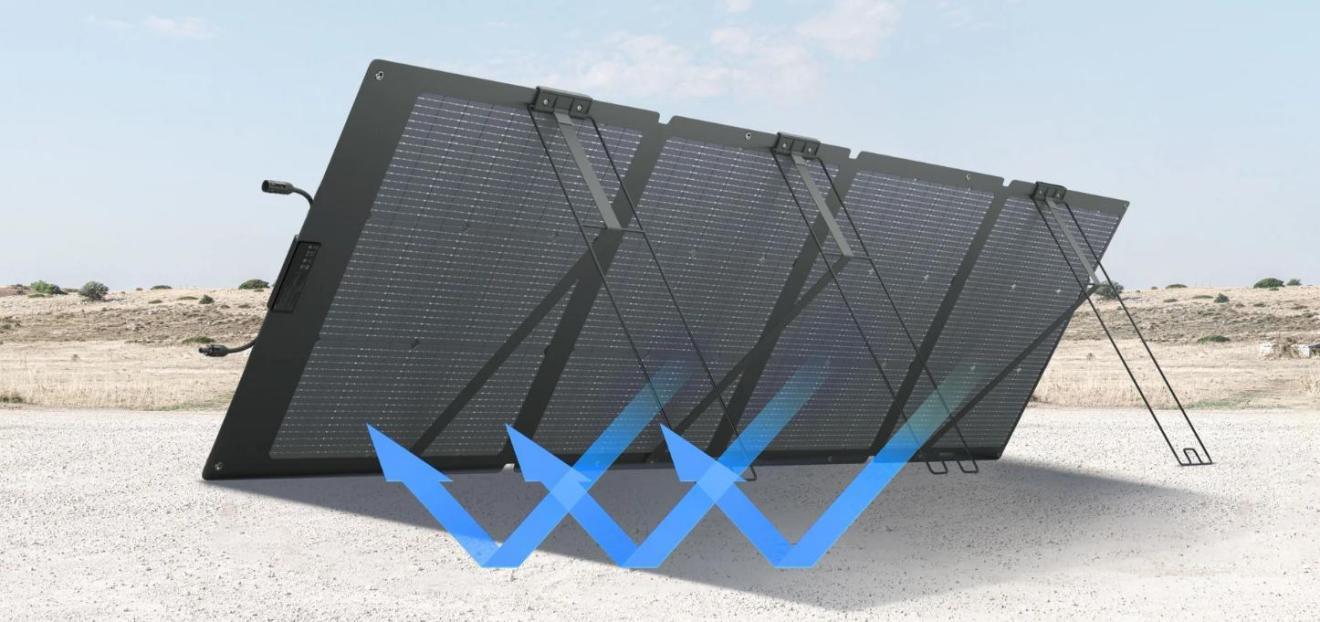
Installing solar panels is a smart investment in your home’s energy efficiency and sustainability. By following this guide and selecting reliable panels like the EcoFlow NextGen 220W, you can achieve substantial energy savings and reduce your carbon footprint. Embrace a greener lifestyle while enhancing your property value and cutting utility costs. Take the first step toward a sustainable future—save the planet, one solar panel at a time!