

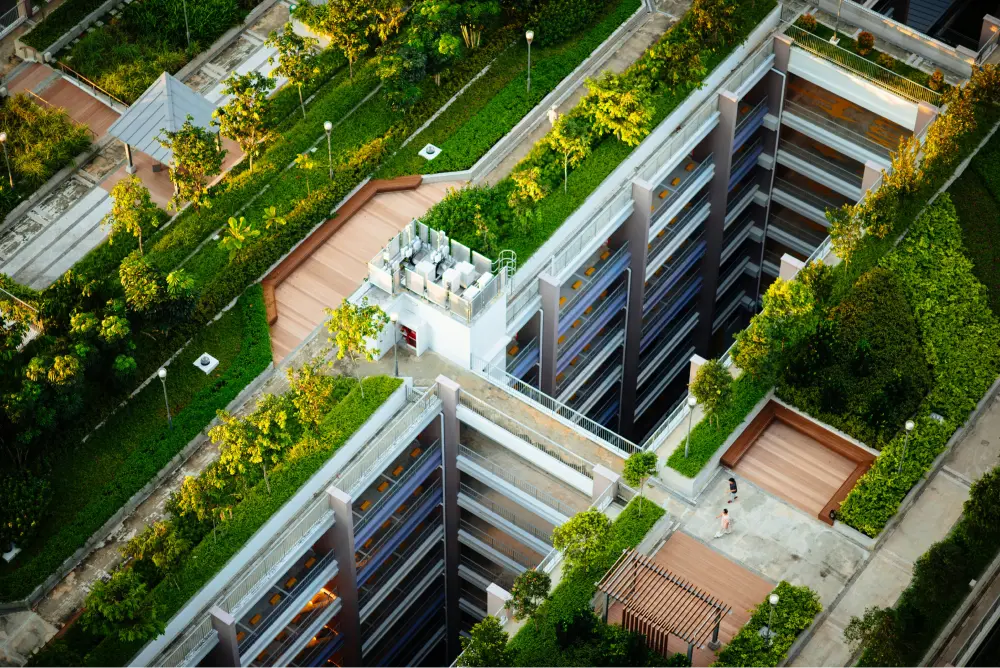
As urban areas continue to expand, the need for sustainable and eco-friendly construction has never been more critical. Green roofs, also known as living roofs, are a groundbreaking solution that integrates vegetation, soil, and drainage layers on top of buildings, transforming underutilized rooftops into thriving green spaces. This biophilic roofing trend is gaining momentum as cities, businesses, and homeowners recognize the immense environmental, economic, and social benefits of green roofing systems. Beyond their aesthetic appeal, green roofs contribute to energy efficiency, air purification, urban cooling, and biodiversity conservation, making them a key player in the movement toward a greener planet.
How Green Roofs Improve Energy Efficiency and Climate Resilience
One of the most significant advantages of green roofs is their ability to regulate building temperatures and enhance energy efficiency. Traditional roofing materials absorb and radiate heat, contributing to the urban heat island effect, which raises temperatures in densely populated areas. Green roofs, on the other hand, provide natural insulation by absorbing sunlight and reducing heat retention. This results in lower energy consumption, as buildings require less air conditioning in the summer and retain warmth in the winter. Additionally, green roofs act as carbon sinks, absorbing CO2 from the air and contributing to improved urban air quality. Their ability to mitigate heat and reduce greenhouse gas emissions makes them a crucial solution in combating climate change andpromoting sustainable urban development.
Biodiversity and Ecological Benefits: Bringing Nature to Urban Spaces
Green roofs serve as miniature ecosystems, providing habitats for pollinators, birds, and beneficial insects in areas where green spaces are limited. By incorporating native plants, wildflowers, and even small trees, these living rooftops help restore urban biodiversity and support declining bee and butterfly populations. The integration of plant life into cityscapes fosters a harmonious connection between nature and architecture, aligning with biophilic design principles that emphasize the importance of human interaction with the natural environment. This approach not only enhances mental well-being and productivity but also promotes healthier, more sustainable living spaces.
Stormwater Management: Reducing Flood Risks and Improving Water Quality
One of the lesser-known but highly impactful benefits of green roofs is their ability to absorb and retain rainwater, reducing the strain on stormwater drainage systems. During heavy rainfall, conventional rooftops contribute to water runoff, which can lead to flooding, soil erosion, and contamination of water supplies. Green roofs act as natural sponges, capturing rainwater, filtering pollutants, and slowly releasing moisture back into the atmosphere. This reduces the risk of urban flooding while simultaneously improving water quality by preventing harmful chemicals from entering rivers and waterways.
The Future of Biophilic Roofing: A Step Toward a Greener Planet
With sustainability at the forefront of modern construction, green roofs are no longer just a trend, they are becoming an essential feature of forward-thinking urban design. Governments and city planners worldwide are incentivizing green roofing initiatives through tax credits, grants, and eco-friendly building codes. As more property owners recognize the long-term benefits of green roofs, we can expect to see an increase in green urban landscapes, fostering healthier, more resilient communities.
Conclusion: Investing in a Greener Future with Biophilic Roofing
Green roofs offer a win-win solution for both the environment and urban development. By embracing biophilic roofing trends, we can create cities that are healthier, cooler, and more sustainable. Whether for commercial buildings, residential homes, or public spaces, integrating vegetation into roofing systems is a powerful step toward a greener planet. As technology and construction methods continue to evolve, green roofs will play an increasingly vital role in shaping the future of eco-conscious design.